Neuroinformatics
The neuroinformatics plugin covers neuroscience data standards (Brain Imaging Data Structure (BIDS), Hierarchical Event Descriptors (HED)), experiment design (PsychoPy, Lab Streaming Layer (LSL)), and dataset validation.
The plugin map
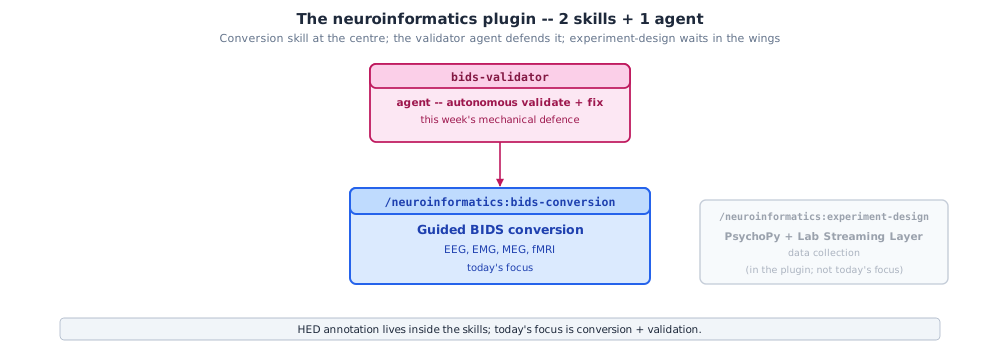
A conversion skill sits at the center; a validator agent defends its output; experiment design covers the data-collection side that happens before conversion:
One command, six steps, to a validated dataset
Converting raw recordings into a shareable BIDS dataset is a fixed sequence:
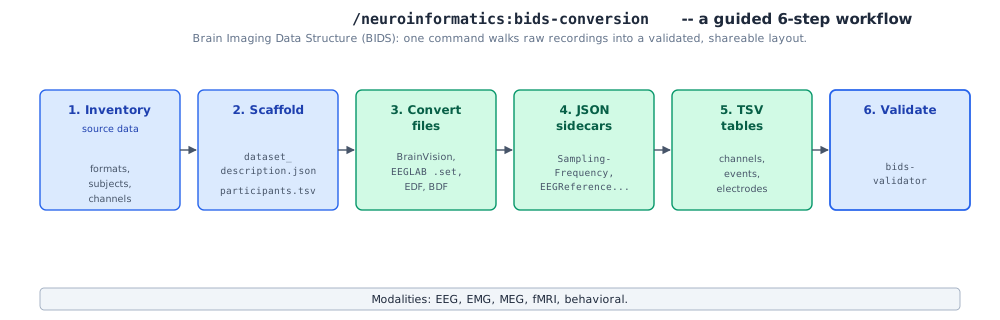
- Inventory: source data formats, subjects, channels
- Scaffold:
dataset_description.json,participants.tsv - Convert files: BrainVision, EEGLAB
.set, EDF, BDF, and others - JSON sidecars:
SamplingFrequency,EEGReference, and other required metadata - TSV tables: channels, events, electrodes
- Validate:
bids-validator
Why the layout is fixed
BIDS's predictable folders and filenames are what let EEGLAB, MNE-Python, bids-validator, BIDS Apps, OpenNeuro, and NEMAR all read a dataset without dataset-specific glue code:
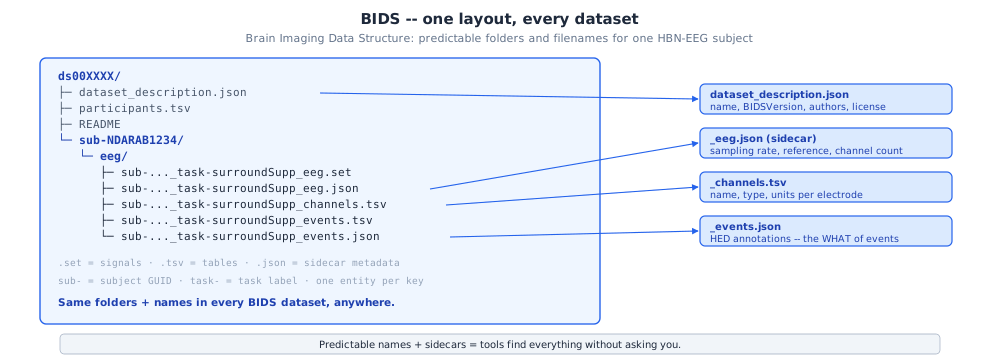
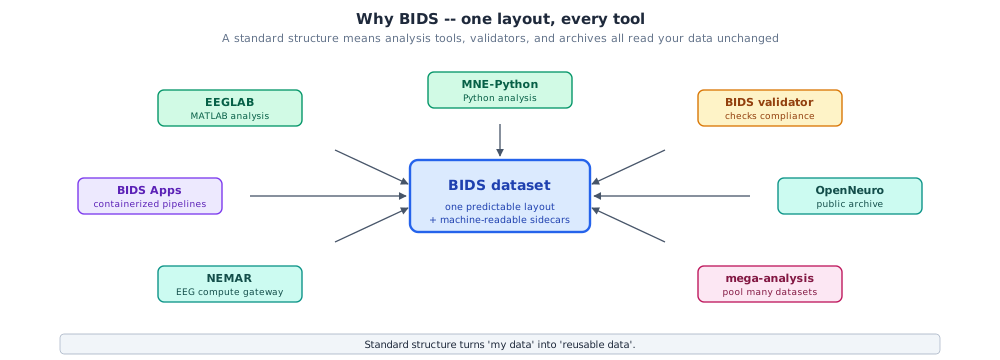
A standard structure turns "my data" into "reusable data": the same folder and filename conventions apply to every BIDS dataset, anywhere, which is what makes cross-dataset tools and mega-analysis pooling possible in the first place.
HED annotation
HED annotation, tagging events with a standardized, machine-readable vocabulary for the what of an event, not just its timing, lives inside the bids-conversion and experiment-design skills' reference material rather than as a separate skill. Conceptually, going from a plain-English event description to a schema-valid HED tag string is a parse → tag → validate pipeline:
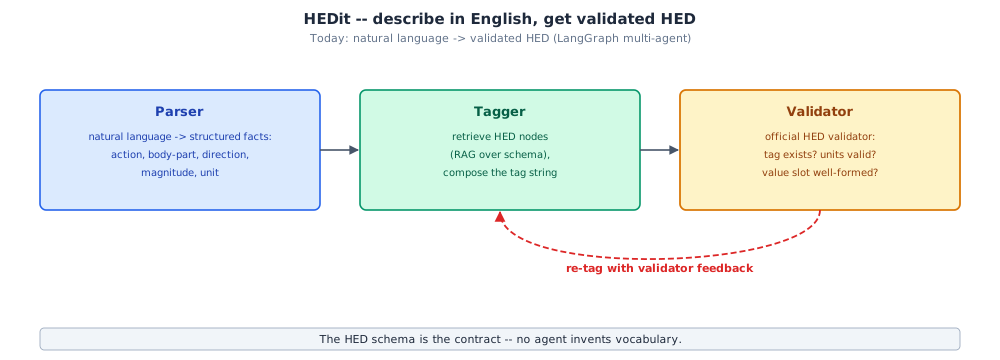
The HED schema is the contract; nothing in that pipeline invents vocabulary outside it.
Skills
- bids-conversion: guided conversion to BIDS for EEG, EMG, MEG, fMRI, and other modalities
- experiment-design: PsychoPy + LSL experiment scaffolding, feeding BIDS-compatible output back into conversion
- bids-validator agent: autonomous validate-and-fix: runs
bids-validator, diagnoses errors, and applies corrections
Try it
"Convert ./raw-data to BIDS format, modality EEG, task rest"
"Validate the BIDS dataset at ./bids-dataset"
"Design a visual oddball ERP paradigm with 2 conditions"
Learn more
The Agentic Research Course week 9, "Neuroinformatics," covers BIDS, HED, and experiment design hands-on.