Section
Motor-Control
- Sep 2025
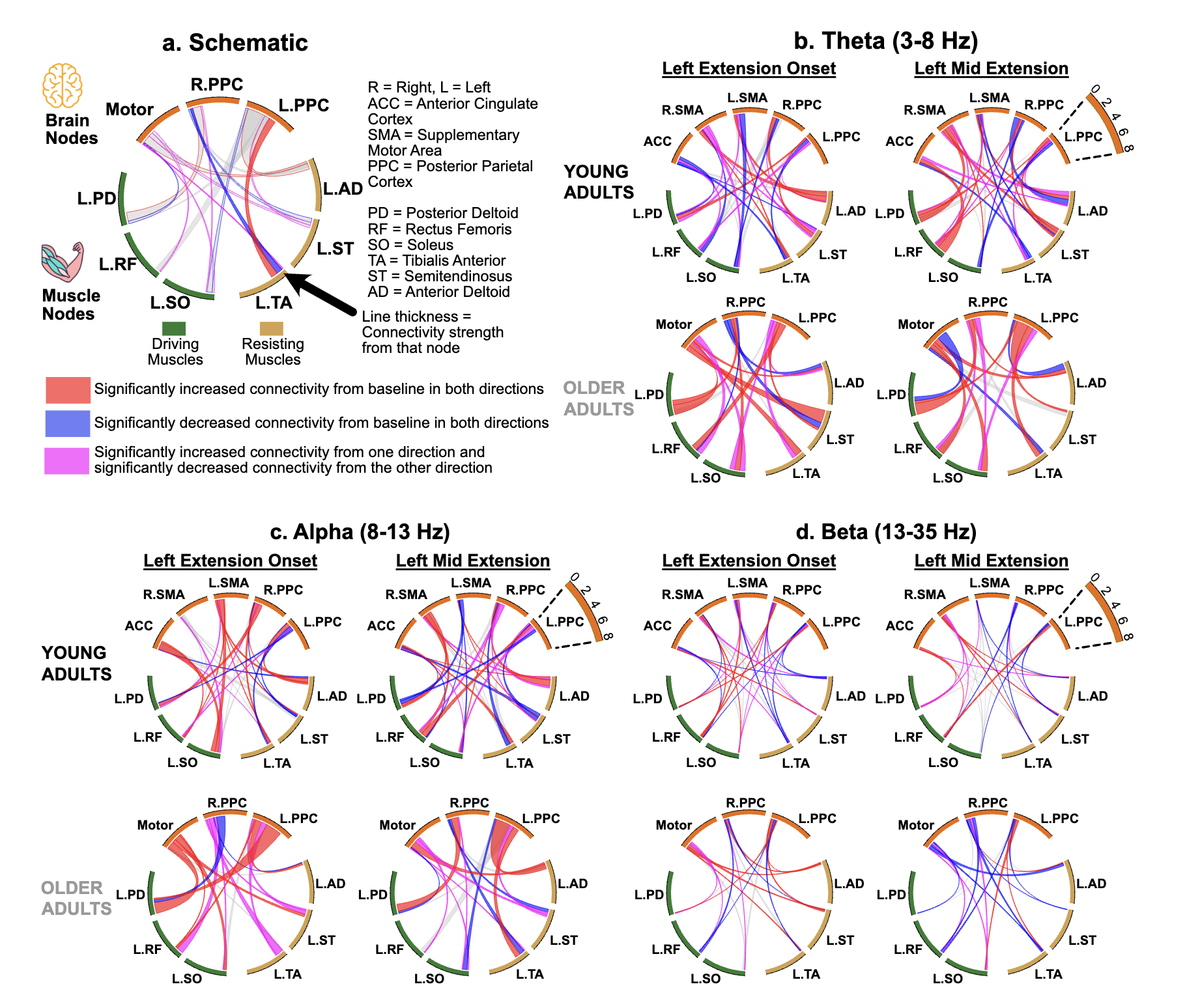
Age-related Reorganization of Corticomuscular Connectivity During Locomotor Perturbations
How does the brain communicate with muscles during unexpected perturbations, and how does this change with age? We investigated corticomuscular connectivity during perturbed recumbent stepping in young and older adults …
- Jul 2025
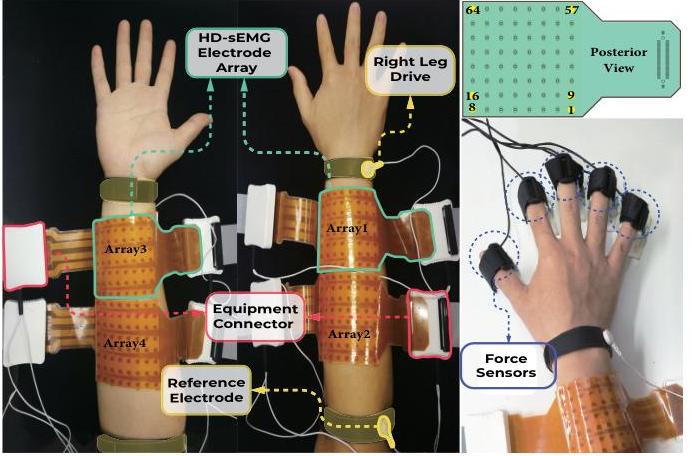
Hyser: High-Density Surface EMG Dataset for Neural Interface Research
The Hyser dataset provides 256-channel HD-sEMG recordings from 20 subjects across five distinct tasks, including gesture recognition and force control paradigms, making it ideal for developing advanced neural interfaces …
- Dec 2024
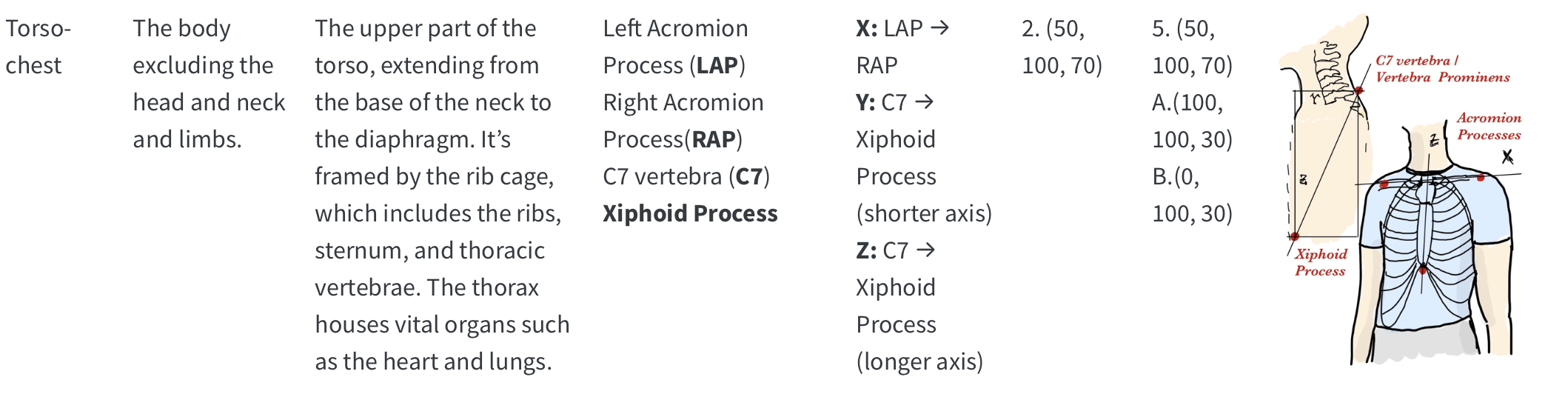
A Standardized Framework for Sensor Placement in Human Motion Capture and Wearable Applications
We present a comprehensive framework that standardizes sensor placement in human movement and physiological monitoring applications. Through precise definitions of anatomical landmarks, coordinate systems, and placement …
- May 2024
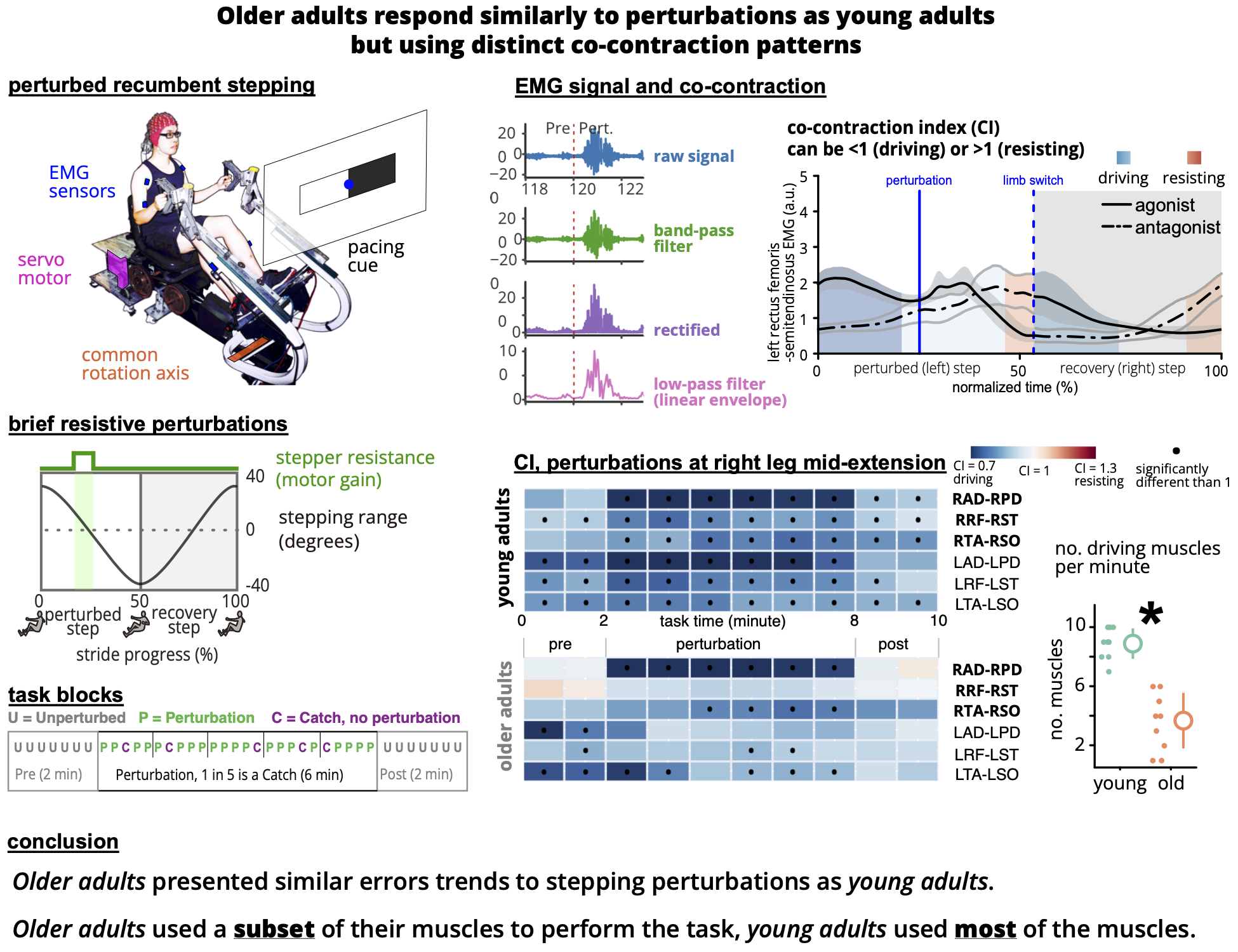
Older adults use fewer muscles to overcome perturbations during a seated locomotor task
Older adults often demonstrate greater co-contraction and motor errors than young adults in response to motor perturbations. We demonstrated that older adults reduced their motor errors more than young adults with brief …
- Jan 2023
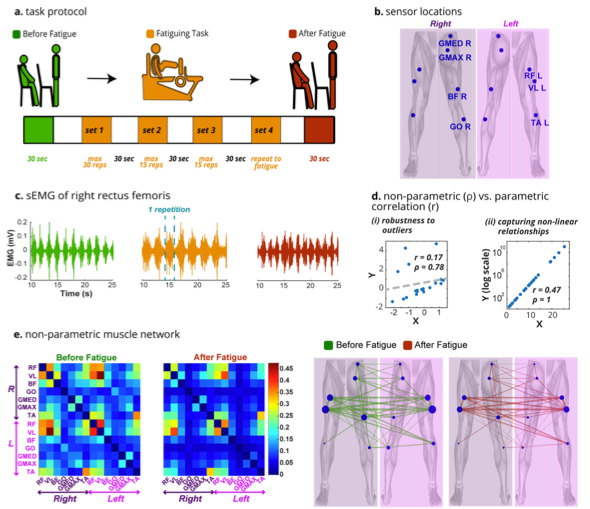
Non-Parametric Functional Muscle Network as a Robust Biomarker of Fatigue
We show that the effects of fatigue on muscle coordination and neural drive can be reliably characterized using a non-parametric functional muscle network. The network demonstrated a consistent decrease in connectivity …
- Jul 2022
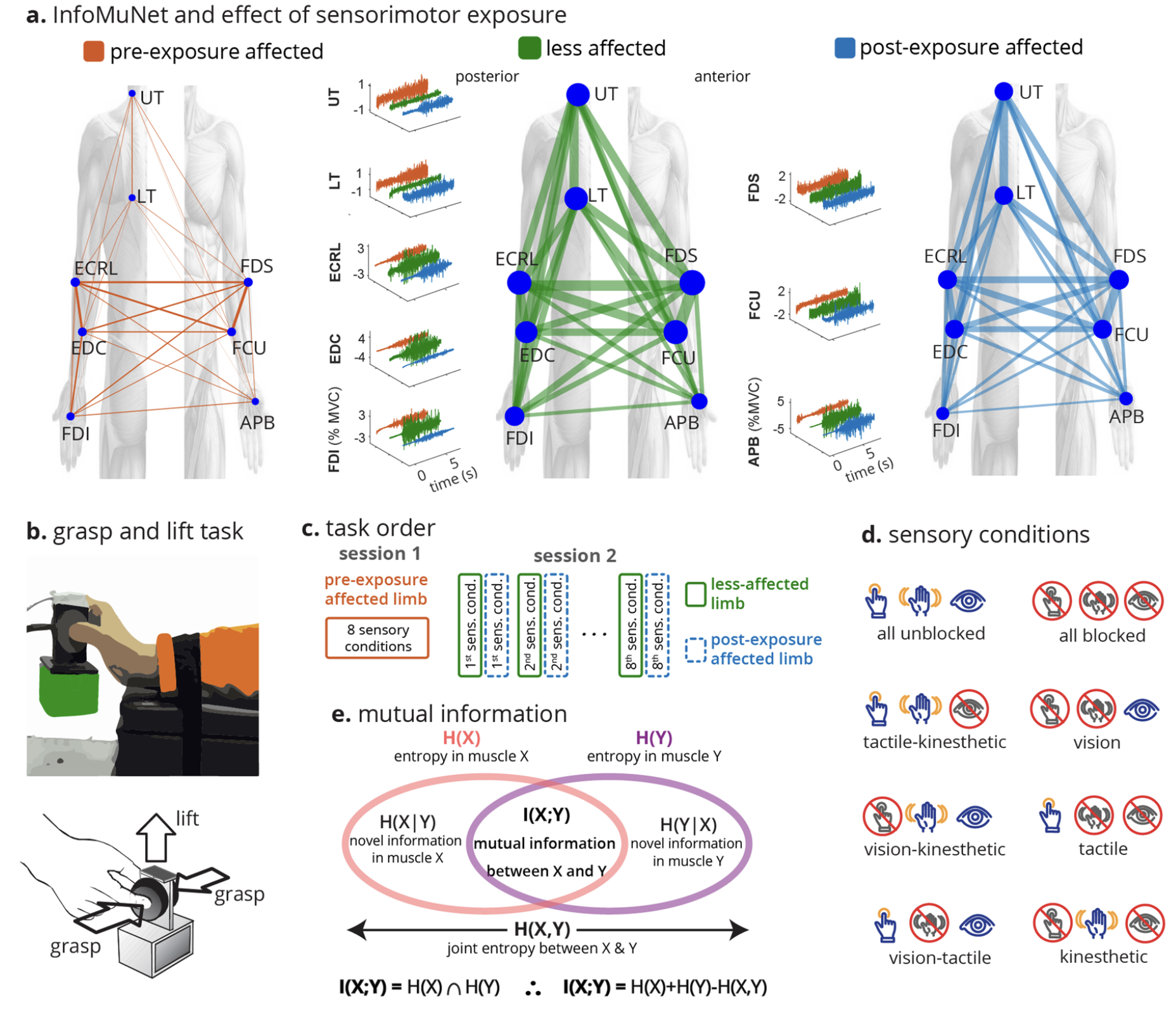
Nonlinear functional muscle network based on information theory tracks sensorimotor integration post stroke
We show that InfoMuNet, a novel functional biomarker based on a nonlinear network graph of muscle connectivity, can quantify the role of sensory information on motor performance. We demonstrate its potential use in …
- Mar 2021
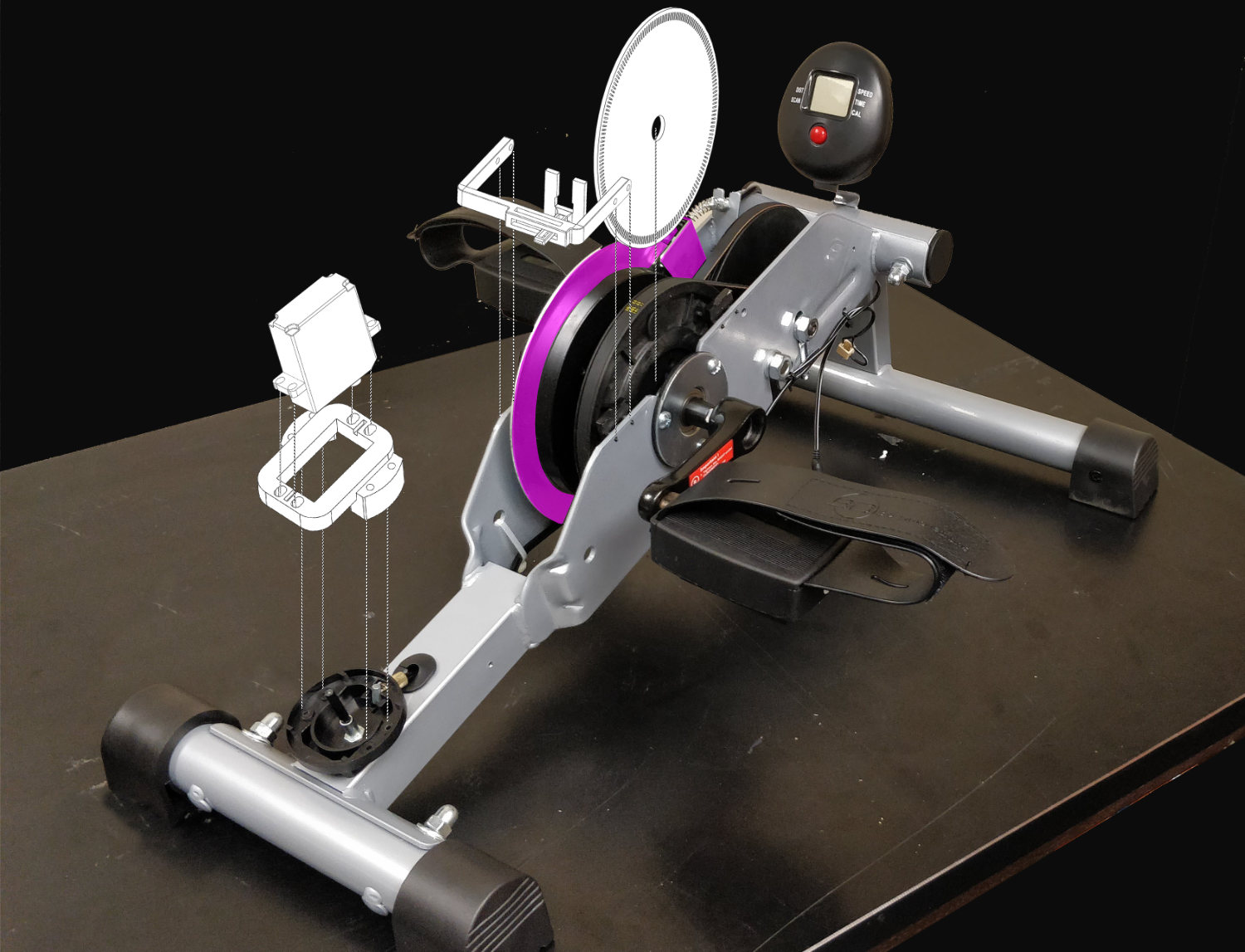
Sensory feedback and assistive motor control for desk cycling
This project explores how sensory feedback can enhance motor control during desk cycling, with applications in rehabilitation and workplace wellness. The research focuses on optimizing user experience and therapeutic …
- Feb 2021
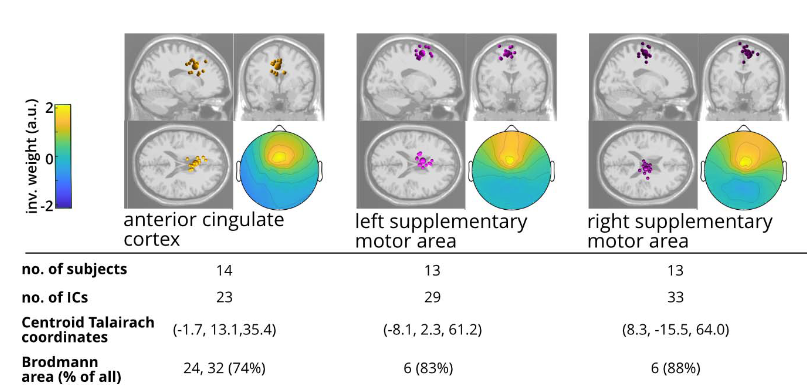
Differential Theta-Band Signatures of the Anterior Cingulate and Motor Cortices During Seated Locomotor Perturbations
We demonstrate that seated locomotor perturbations produce differential theta-band responses in the anterior cingulate and supplementary motor areas, suggesting that tuning perturbation parameters can potentially modify …